


Summer is peak irrigation season in California, making July’s Smart Irrigation Month the perfect time to ensure your landscape is getting the water it needs without wasting a drop. Keep reading to learn the small adjustments you can make to your irrigation system and watering habits that can help plants stay healthy while improving water efficiency.
Inspect Your Irrigation System Regularly
A well-maintained irrigation system is one of the easiest ways to save water. During the irrigation season, inspect your system at least once a month for broken sprinkler heads, leaks, clogged emitters, or overspray onto sidewalks and driveways. Watch your plants for signs of stress, too. Wilting can indicate underwatering, while yellowing leaves, consistently damp soil, algae, or mushrooms may signal overwatering. Monitoring your irrigation system regularly helps catch problems early and can prevent water waste.
Water During Cooler Hours
Watering during the cooler parts of the day helps more water reach plant roots instead of evaporating into the air. Early morning is generally the best time to irrigate because temperatures are lower and winds are usually calmer. Midday watering can lose a significant amount of water to evaporation, while morning watering helps improve efficiency and reduces the chance of water being wasted.
Upgrade to Drip Irrigation
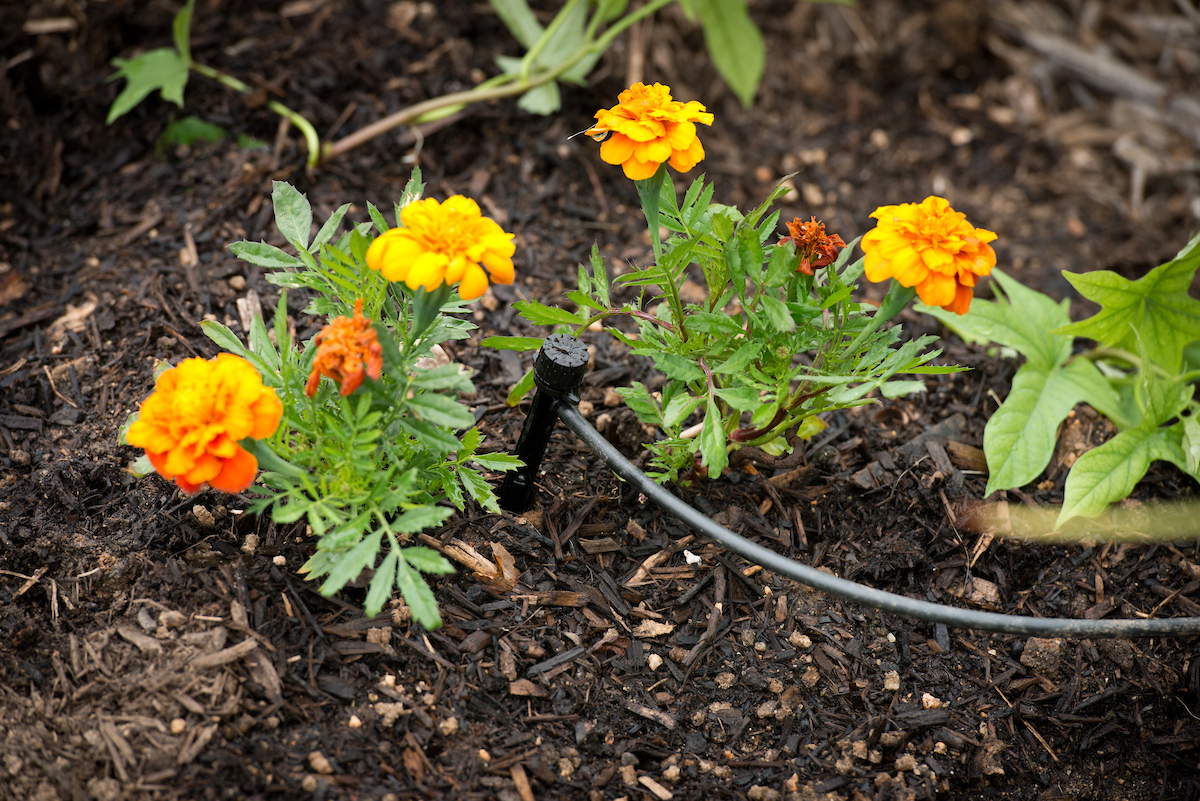
If you can, switch from sprinklers to drip irrigation. Drip systems deliver water slowly and directly to plant roots, reducing evaporation, runoff, and overspray. Drip systems work well for shrubs, trees, planting beds, containers, and heavily mulched landscapes. According to the U.S. Environmental Protection Agency (EPA), micro irrigation systems like drip irrigation can use 20% to 50% less water than conventional sprinklers while providing water exactly where plants need it most. Many easy-to-install drip kits and sprinkler-to-drip conversion kits are available at garden centers and hardware stores.
Let Smart Technology Do the Work
Smart irrigation controllers take the guesswork out of watering. Unlike traditional timers that operate on fixed schedules, weather-based and soil-moisture-based controllers automatically adjust irrigation depending on local weather conditions or actual soil moisture levels. EPA Water Sense-labeled controllers help prevent unnecessary watering and can significantly reduce outdoor water waste while keeping landscapes healthy.
Match Watering to Plant Needs
Not all plants require the same amount of water. Newly planted trees, shrubs, and perennials need more frequent watering while their root systems become established. Once established, most plants should be watered less often but more deeply so the water reaches farther into the soil, encouraging deeper, stronger root systems. Mature trees thrive with deep watering intervals rather than frequent shallow watering. Adjust your schedule based on weather, soil type, plant species, and signs of plant stress.
Practice Hydro-Zoning
Grouping plants with similar water needs together, known as ‘hydrozoning’, helps prevent both overwatering and underwatering. Drought-tolerant plants should share irrigation zones with other low-water-use plants, while thirstier plants should be watered separately. Trees generally perform best in their own irrigation zones rather than sharing a line with lawns or groundcover, which often require more frequent watering.
Mulch for Maximum Efficiency
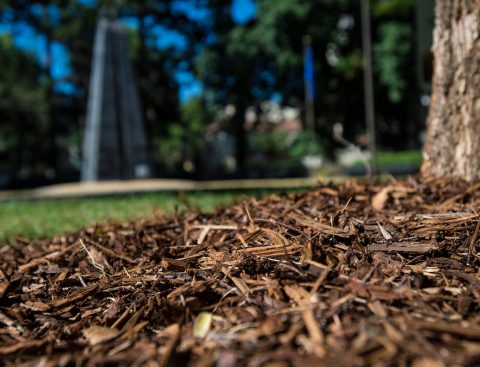
Mulch is one of the simplest tools for conserving moisture. A layer of mulch helps reduce evaporation, moderates soil temperatures, suppresses weeds, and keeps roots cooler during hot summer weather. By helping soil retain moisture longer, mulch can reduce how often your landscape needs watering.
This Smart Irrigation Month, take a few minutes to inspect, adjust, and improve your irrigation practices. Watering smarter, instead of more, helps maintain a beautiful landscape while supporting California’s long-term water resilience. For more information, read our article on Why Mulch Matters.
To learn more ways you can be water-wise in and around your home, visit saveourwater.com.